

With the operation of the domestically produced C919 and the successful delivery of the second one to China Eastern Airlines, the global aerospace composites market is forecast to rise from US$32 billion in 2020 to US$56 billion in 2031, with the growth rate expanding year by year. Meanwhile, global additive manufacturing is expected to generate economic benefits of $200 billion to $500 billion, especially the rapid growth of additive manufacturing technology in the aerospace industry, in which the market value generated is 14.7 per cent, 15.9 per cent and 16.8 per cent in 2019-2021, respectively.
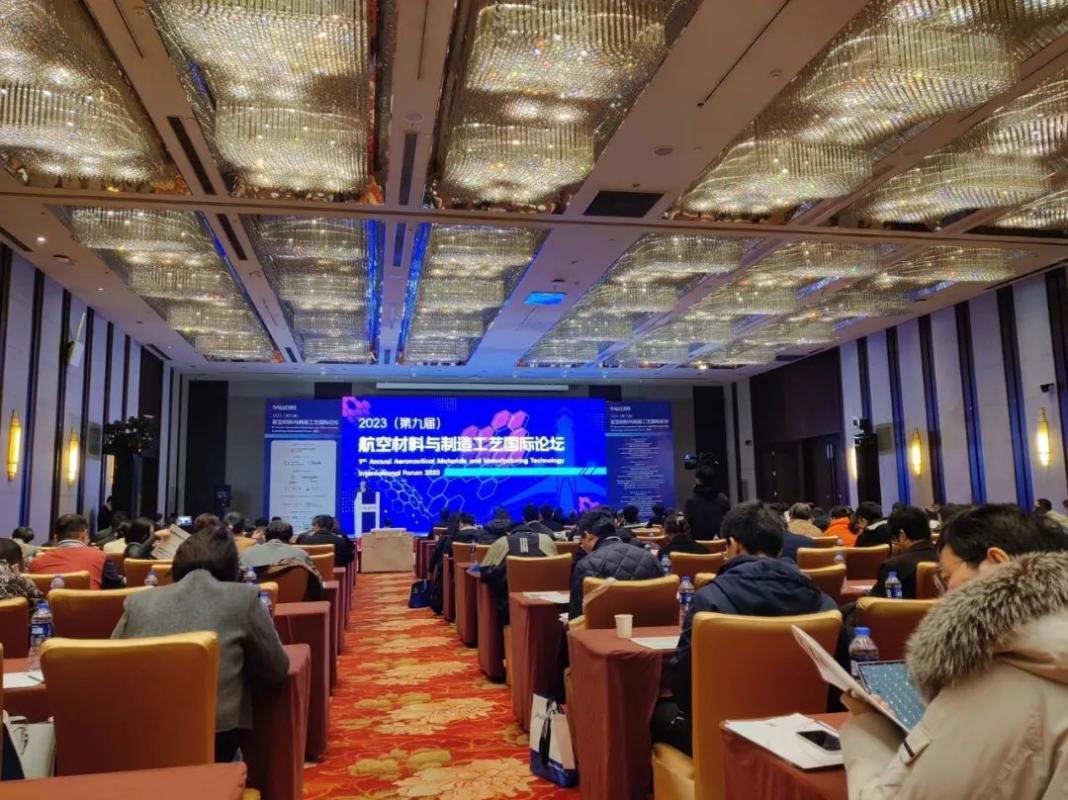
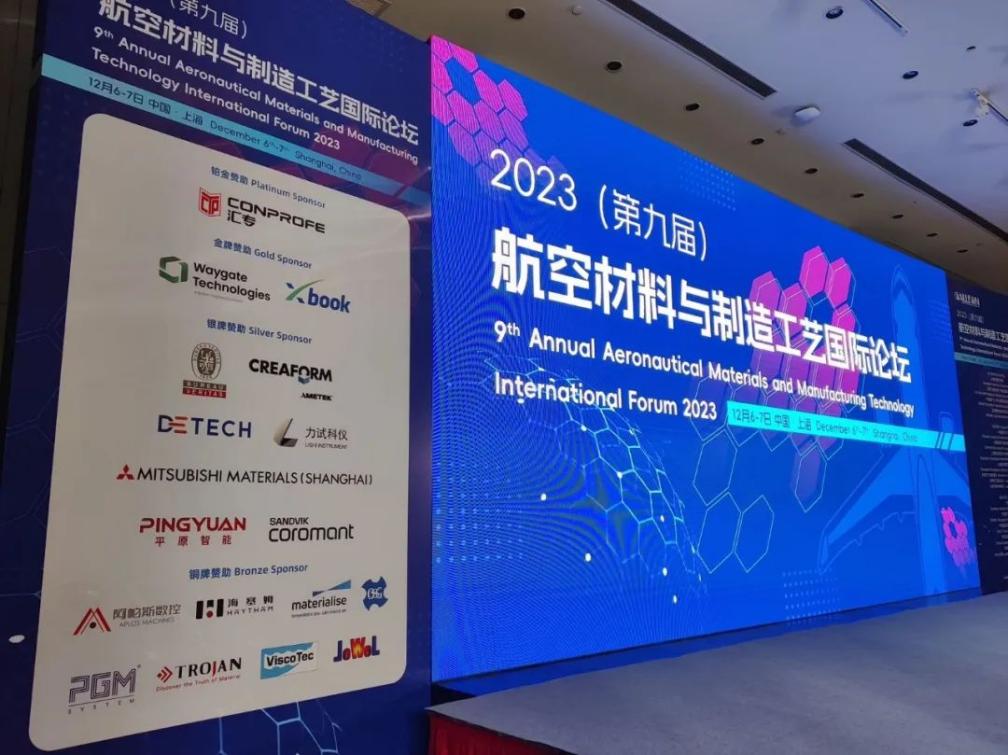
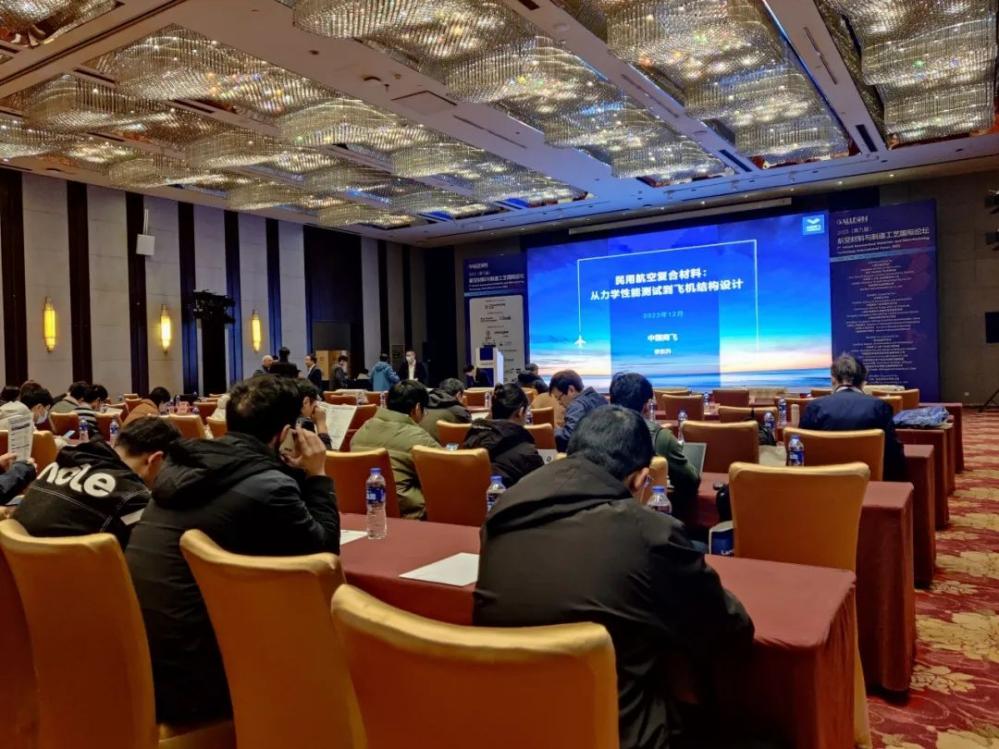
Against this background, the 20th23 (9th) Aerospace Materials and Manufacturing Processes Forum was held in Shanghai, China, on 6-7 December. The forum focused on new materials and processes, and discussed hot topics in the industry, such as green and low-carbon development, aerospace material iteration, and aircraft structural weight reduction, aiming to build an international, high-end, and forward-looking platform for academic exchanges, and PGM was invited to participate in the forum.
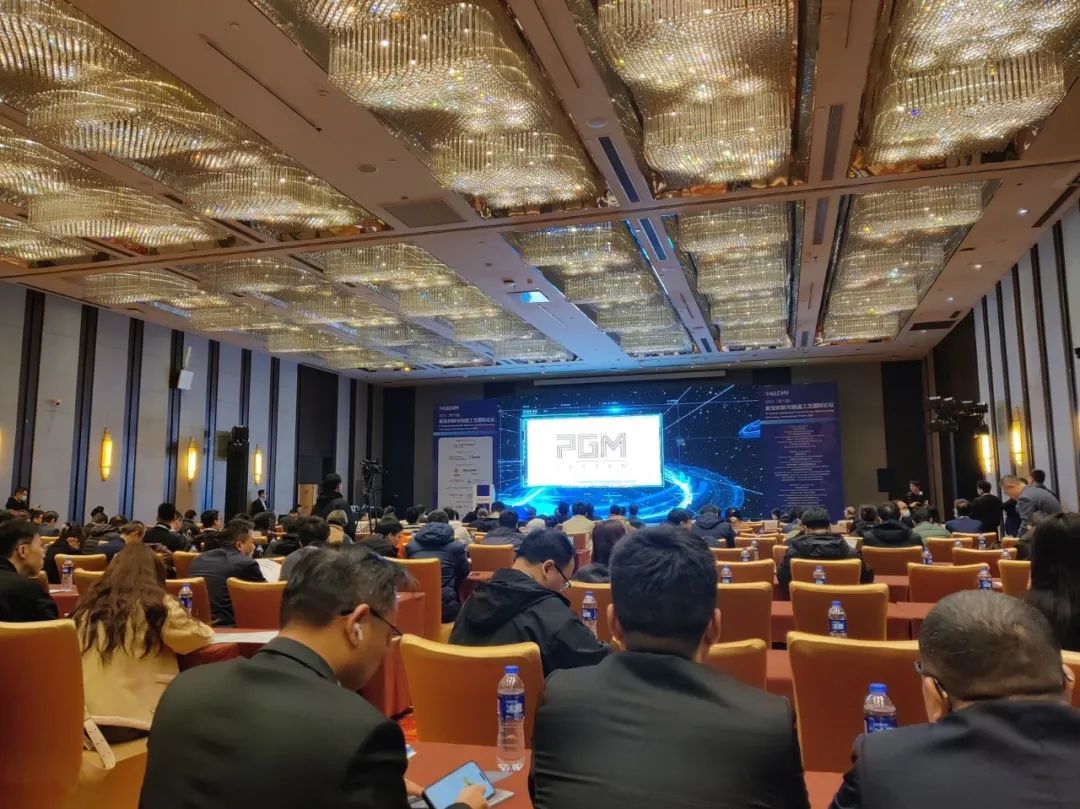
On the first day of the forum, academician Dong Shaoming, director of the Academic Committee of Shanghai Institute of Silicate Technology, Chinese Academy of Sciences, firstly shared the research results of high-entropy and ultra-high-temperature ceramic matrix composites, starting from the advantages of ceramic matrix composites, such as light weight and high-temperature resistance, and discussed that the engine parts made of ceramic matrix composites are only one-third of the weight of the traditional metal parts. Wang Benli, director of the Institute of Materials Industry, Ministry of Industry and Information Technology (MIIT), analysed the status quo of high-quality development of the aviation raw materials industry, clarified that materials are the foundation of the manufacturing industry, and that the new materials industry is a strategic and fundamental industry, and a key area of high-tech competition; Chen Ting, deputy director of the Structural Strength Room of the Civil Aviation Administration of China (CAAC) Shanghai Air Vehicle Airworthiness Certification Center, elaborated on the civil aviation material airworthiness validation and industrial development based on the idea of statistical management of airworthiness, which includes
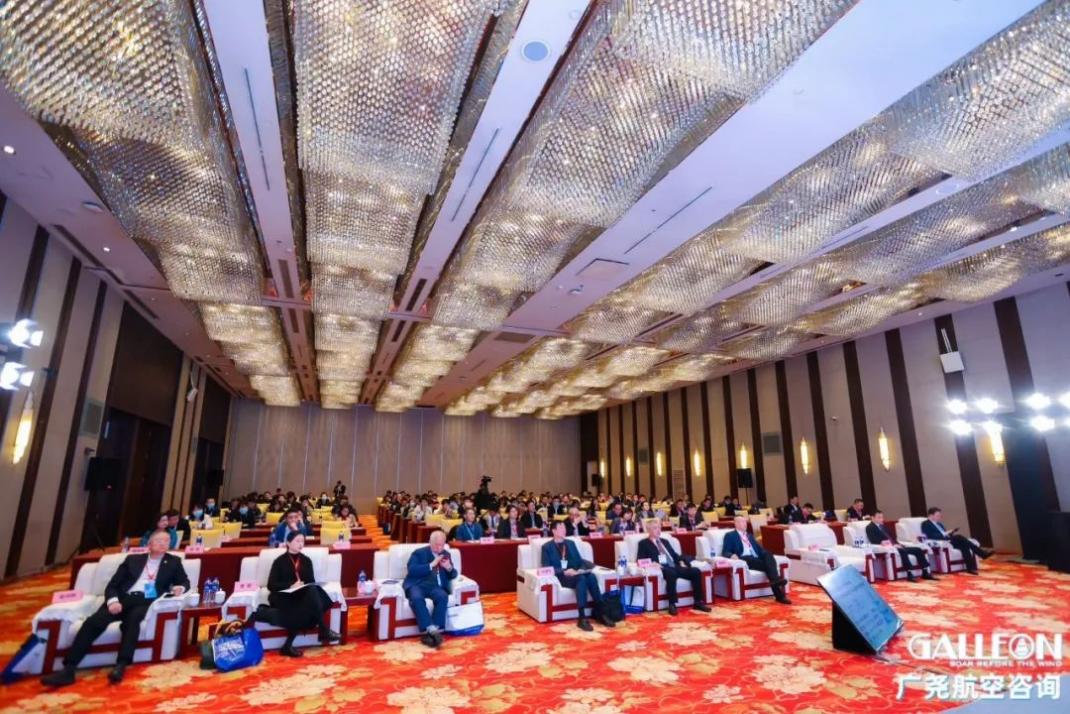
In addition, Li Dongsheng, Chief Composites Engineer of Commercial Aircraft Corporation of China (CAAC) and member of the Standing Committee of Science and Technology Committee, Liu Weiping, Deputy Chief Engineer of Commercial Aircraft Corporation of China (COMAC) Shanghai Aircraft Manufacturing Company Limited (SAC), Xiao Huijiang, Director of COMAC Composite Materials Centre, Wu Bo, Minister of Composite Materials Division of Wuhu Diamond Aircraft Manufacturing Company Limited (WDAC) and Boeing Research and Technology China (Boeing R&T China), Shanghai Aircraft Design and Research Institute of Commercial Aircraft Corporation (COMAC) shared their views on "Lightweight and Green Technology Sharing for Aviation". "Ltd. and Liu Qiyuan, Vice President of Technical Research Institute of Wuxi Parker New Material Science & Technology Co., Ltd. shared their insights on "Aerospace Forging & Casting Technology Development Trend "Ltd. and Liu Qiyuan, Vice President of Technical Research Institute of Wuxi Parker New Material Technology Co.
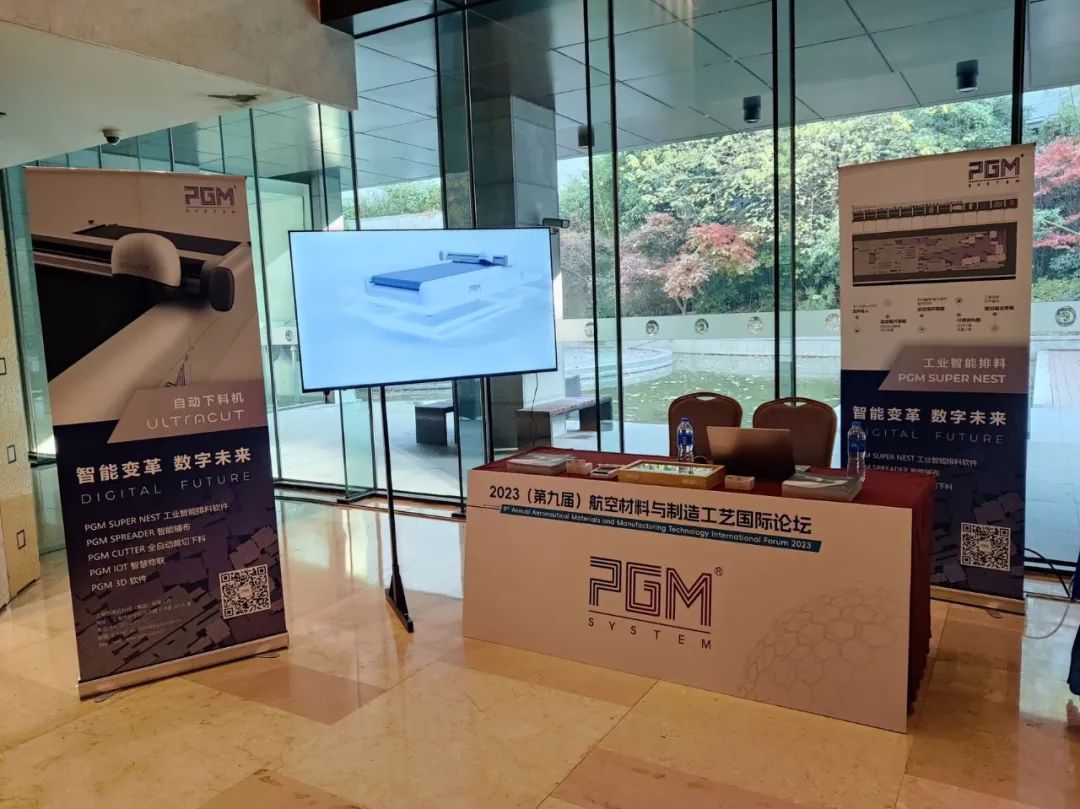
At the same time, at this event PGM presented the industrial nesting optimisation software SNP and the single-ply cutting machine Ultracut.
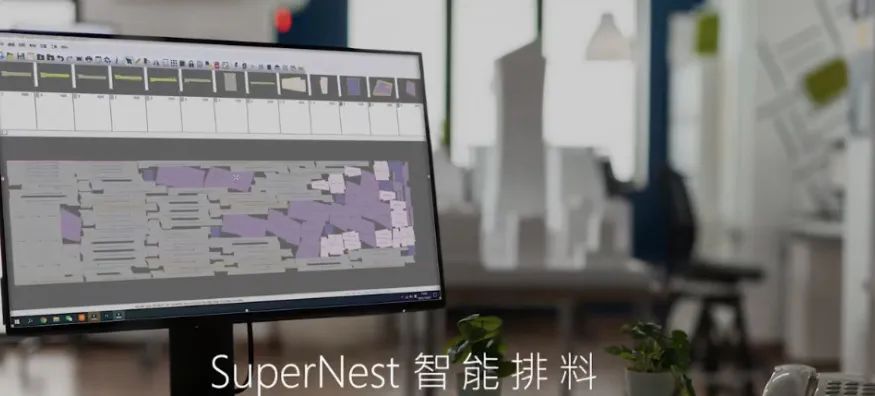
PGM SNP Industrial Nesting Optimisation Software is a high-end intelligent nesting software for CNC cutting and machining developed by Shanghai Bagemax Technology (Group) Co. It can be widely used in aerospace, military products, wind power generation and other industries. The software has many advantages such as convenient operation, powerful algorithm and strong graphic processing capability. Applied to enterprises with large material cutting and discharging volume, it can significantly improve the material utilisation rate, optimise the process operation, help enterprises to improve the comprehensive efficiency, shorten the production cycle, and improve the product quality.
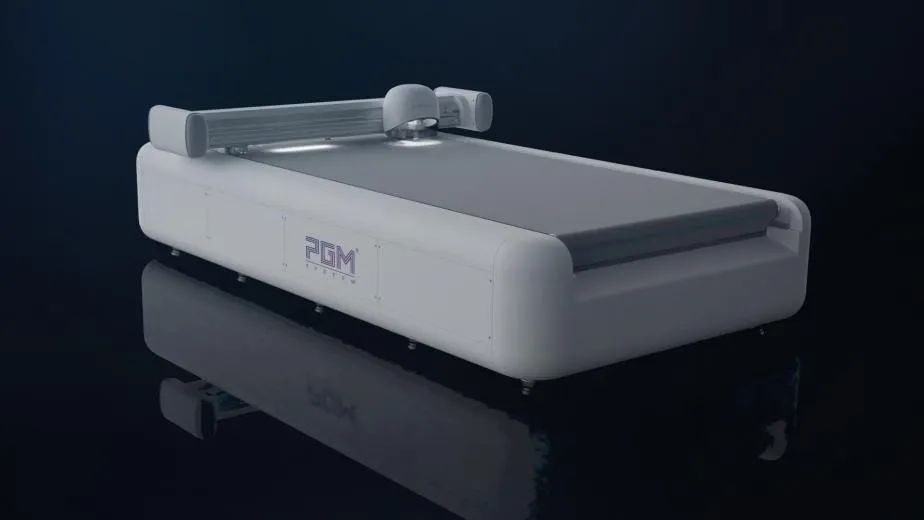
The Ultracut series of intelligent cutting and unloading equipment is used for automatic unloading of prepregs in the compounding industry, as well as flexible cutting of related auxiliary materials. Equipped with Ultraslit embedded intelligent cutting system, the lamination-free adsorption technology and PGM's unique knife depth compensation algorithm optimise the use and operation of the equipment to the greatest extent; combined with the use of SNP industrial layout software, it can maximise the utilisation rate of the material and reduce the rework rate of cutting in the composite industry; combined with the Iot Internet of Things (IoT) system independently developed by PGM, it can reduce the frequency of human inspection of the equipment's operating parameters and simplify the unnecessary and tedious actions during the cutting operation. Combined with PGM's self-developed Iot system, which reduces the frequency of human inspection of the equipment's operating parameters and simplifies unnecessary and tedious actions during the cutting operation, the Ultracut series of equipment really does everything from the perspective of the needs of the composite industry to help customers create greater value.
PGM help industrial products of graphic processing, intelligent cutting under the material and intelligent IOT integrated solutions, will always provide customers with quality products and services, empowering customers to upgrade comprehensively.